
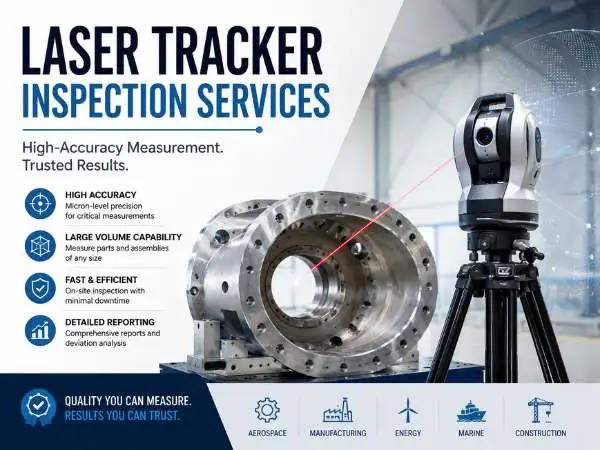
When it comes to professional laser tracker inspection services, hiring technicians with experience is vital. If you don’t, you might face longer project timelines and escalating costs due to mistakes that could have been avoided.
Regularly calibrating your equipment is crucial — skipping this step could lead to inaccuracies that remain undetected until it’s too late, endangering project success.
If you overlook thorough reporting, you’re setting yourself up for wasted time. Effective reports should summarize project challenges, solutions, and outcomes, guiding future efforts.
Data gaps in your reports can cause subpar decision-making; complete and accurate information is essential for successful project strategies.
Ignoring maintenance procedures may lead to expensive equipment failures. Just like routine vehicle checks, regular maintenance is key to smooth operations.
Developing a customized maintenance schedule based on how the equipment is used, along with manufacturer recommendations, can help reduce downtime and cut costs.
Pouring resources into skilled technicians and robust maintenance practices can really boost the quality and efficiency of laser tracker inspection projects.
Why Experienced Technicians Matter More Than You Think
I’ve seen it happen over and over again—clients rush to hire technicians for professional laser tracker inspection services without truly evaluating their experience. Here’s the thing: it’s tempting to hand over the reins to just any random person with a wrench, but trust me, you want someone experienced in this field.
The Hidden Costs of Inexperienced Operators
Just recently, I consulted on a project where an inexperienced operator was brought on. Costs climbed because this person lacked understanding of the equipment’s intricacies. Each misalignment meant more rework, extending the timeline as endless hours were spent rectifying mistakes that could have been avoided. So, what really happens when you bring a novice onto your team? Consider this:
- Increased project timelines – Mistakes lead to delays as teams scramble to fix them.
- Higher financial burdens – Extra time translates into greater labor costs.
- Lost credibility – Your reputation is at stake when deadlines aren’t met.
In reality, the savings you think you’ll get by hiring less experienced operators can end up costing you much more in the long run. It’s crucial to think about the bigger picture.
Training and Skill Assessments: What Should You Look For?
Checking a technician’s credentials is just scratching the surface. Dig a little deeper. Ask about their hands-on experience. How many projects have they overseen successfully? What training have they received? A technician who can troubleshoot effectively under pressure? That’s invaluable. If their answers seem vague, it’s a red flag.
- Check certifications – Are they keeping pace with current standards?
- Ask about past projects – Have they worked in similar environments to yours?
- Evaluate soft skills – Can they communicate effectively, especially when challenges arise?
Based on my experience, these questions can tell you a lot. You want someone who gets not just the equipment, but the entire workflow.
Ignoring Regular Calibration Can Sink Your Accuracy
Imagine wrapping up a critical inspection, thinking everything is spot-on. But hold on! If your equipment isn’t calibrated regularly, hidden inaccuracies may only surface when it’s too late. That creates a ticking time bomb.
The Frequency of Calibration: How Often is ‘Often Enough’?
Calibration isn’t a “one-and-done” task. Consider this: how often do you actually review your calculations? When was the last time you checked the data? For laser trackers, frequent check-ups shouldn’t be negotiable. Sure, an annual calibration may work for some setups, but let’s be real—it might need to happen every few months, depending on usage. If you’re not calibrating often enough, you could end up with measurements that drift, skewing your results beyond acceptable limits.
- Monthly checks – High-usage environments may require this.
- Post-job calibrations – After completing large projects, make sure everything’s still aligned.
- Quarterly reviews – Setting routine checks up as a precaution is wise.
Every day you postpone calibration is a day wasted when your measuring tools fail to perform correctly. Just think about what that could mean!
The Financial Impact of Skipping Calibration Checks
Are you shirking calibration checks because of costs? Here’s a wake-up call: neglecting to monitor those costs can ultimately be far more expensive. You may feel like you’re on top of the world, sipping coffee because you skipped that calibration. But later, that carefree attitude could lead to missed deadlines and worst-case scenario—imprecise measurements throwing your entire project into chaos. Have you thought through the potential losses?
- Rework costs – Each inaccuracy might force you to redo extensive work.
- Client disputes – Clients tend to be less forgiving when measurements don’t align.
- Reputation damage – Recovering from being seen as unreliable is tough.
The numbers don’t lie; skipping calibration checks can choke your bottom line. Make the smart choice!
Neglecting Thorough Reporting: The Silent Time Waster
Picture this: your team finishes a project, and reporting feels like the last thing you want to do. But ignoring this crucial step? That could be your biggest blunder. Some might think reporting is just another bureaucratic headache, but it’s so much more than that.
What Makes a Report Effective – And Why It’s Crucial
Effective reporting is more than just numbers on paper—it narrates the project’s journey, detailing challenges, solutions, and outcomes. Think of it as your project’s resume. A well-crafted report can provide valuable insights, helping teams capitalize on strengths and sidestep past errors. Here’s what makes a report shine:
- Clarity – Document every measurement clearly.
- Concisiveness – Keep it to the point; include only essential details.
- Actionable insights – Offer recommendations for future projects.
A solid report doesn’t just record; it educates. Over time, it saves you from making the same mistakes again.
How Data Gaps Lead to Poor Decision-Making
- Identify blind spots – Where might data be lacking?
- Provide training – Ensure everyone understands the importance of accuracy.
- Encourage communication – Build a culture where team members regularly check in on data quality.
When reports become flawed, the decisions based on them often follow suit. Don’t let that happen!
The Pitfalls of Overlooking Maintenance Procedures
Many teams think they can skip out on maintenance. But here’s the kicker: this approach doesn’t pay off in the long run. It’s like overlooking an oil change on your car; eventually, you’re going to regret it. Equipment failures don’t just happen out of the blue—they’re often avoidable.
Maintenance Missteps That Could Ruin Your Bottom Line
I’ve witnessed teams believing they can bypass routine maintenance, only to face equipment failures at the worst possible moments. This doesn’t just hinder progress; it hikes up costs. Here are some common oversights:
- Neglecting cleaning – Dust and grime can drastically affect precision.
- Skipping small repairs – Minor issues can balloon into major problems.
- Poor documentation – Failing to track maintenance can lead to missed tasks.
Would you really drive a car without regular maintenance? Why treat essential equipment any differently?
Creating a Maintenance Schedule: What Works Best?
Strategically, this is where you need to focus. You can’t just gamble on maintenance scheduling; you need a well-thought-out plan. From my experience, creating a tailored schedule that considers how intensively the equipment is used works best. Think about:
- Usage frequency – How often is the equipment in action?
- Manufacturer recommendations – Always stay aligned with their guidelines.
- Project schedules – Coordinate maintenance to line up with project timelines to reduce downtime.
Having a plan makes it easier to stick to maintenance routines. Plus, your budget will thank you down the line!
In the end, steering clear of these common missteps can save you valuable time, money, and a lot of headaches. So, lay out your strategy, adopt best practices, and see the quality of your projects improve significantly.
FAQ
What specific skills should I prioritize when hiring a laser tracker technician?
Focus on hands-on experience with laser trackers along with troubleshooting skills. Look for individuals who’ve successfully handled similar projects and who keep their certifications updated. Don’t forget about soft skills—effective communication during stressful moments is important too.
How can I determine if my equipment needs calibration?
Watch for signs like inconsistent measurements or fluctuating project outcomes. Frequent discrepancies suggest that calibration is overdue. Don’t wait until a significant job; proactive checks can save you from unpleasant surprises.
What are some consequences of poor reporting in my projects?
Unreliable reporting can lead to repeated mistakes in future projects and squandered resources. It fosters confusion and misinformation. Essentially, inadequate reports waste time and money, setting you up for misinformed decisions.
How do I establish an effective maintenance routine for my tracking equipment?
Begin by keeping track of usage patterns and aligning maintenance schedules with manufacturer guidelines. Develop a checklist for pre and post-project inspections, factoring in usage frequency. Don’t forget to document everything to maintain accountability.
What type of training should my technicians receive?
Ensure your technicians have specialized training specific to laser tracking technology and its applications. Hands-on workshops and regular certifications should keep their skills updated. Skipping on this can ultimately lead to costly project outcomes.
Are there any tools to assist with maintaining accurate records and documentation?
Absolutely! Cloud-based software and project management tools can simplify documentation tasks. They help track maintenance schedules, store calibration records, and enhance communication among team members. Just be sure everyone is on the same page about using it.
How can I minimize project downtime related to equipment issues?
Embrace a proactive maintenance approach and plan for regular inspections. Routine check-ups can help avert unexpected breakdowns. Additionally, having backup equipment or a rapid response team ready can keep projects on course.
What are the signs that I might need to switch to a new laser tracker supplier?
Be on the lookout for recurring issues with accuracy, unresponsive customer service, or frequent equipment failures. If your supplier is slow to provide support or solutions when problems arise, it might be time to consider new options.
